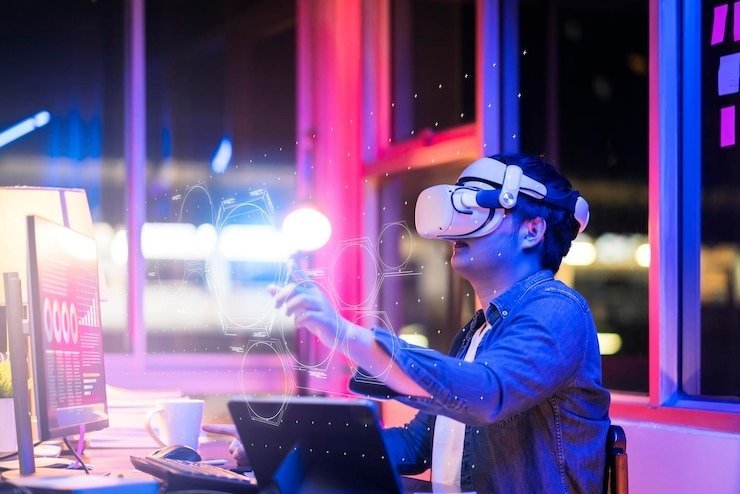
In the ever-evolving landscape of technology, two areas are standing out as transformative forces: robotics and Web3. Each boasts the potential to revolutionize industries, enhance productivity, and reshape the way we interact with the digital and physical worlds. When these domains collide, they create powerful synergies that can elevate performance across various sectors, leading to remarkable advancements in efficiency, transparency, and innovation.
The Rise of Robotics
Robotics has come a long way from its early mechanical counterparts. Today, we see robots that not only perform repetitive tasks but also possess advanced cognitive abilities, enabling them to make decisions based on complex algorithms and real-time data analysis. From manufacturing to healthcare, robotics is becoming integral to optimizing operations and enhancing human capabilities.
Applications in Various Industries
The integration of robotics into industries such as manufacturing, logistics, healthcare, and agriculture is transforming traditional workflows. In manufacturing, collaborative robots (cobots) work alongside human operators to increase productivity and reduce the risk of injury. In logistics, autonomous robots streamline warehouse operations by picking and transporting goods efficiently. In healthcare, robotic surgical systems enable precision and minimally invasive procedures, leading to better patient outcomes. Moreover, in agriculture, robots assist with planting, monitoring, and harvesting crops, ensuring higher yields and sustainable practices.
The Emergence of Web3
Web3 represents a paradigm shift in the way we interact with the internet, moving from a centralized model to a decentralized one. This new iteration of the web is built on blockchain technology, offering enhanced security, transparency, and user control. With Web3, individuals can engage in peer-to-peer transactions without intermediaries, allowing for a new level of trust and collaboration.
Decentralization and Trust
At its core, Web3 emphasizes decentralization, which not only protects user privacy but also fosters innovation. Smart contracts facilitate automatic execution of agreements without the need for central authorities, reducing costs and increasing efficiency. This level of trust and transparency is invaluable in various applications, from finance to supply chain management, where authenticity and traceability are critical.
The Convergence of Robotics and Web3
The intersection of robotics and Web3 is where the real magic happens. By integrating blockchain technology with robotics, we can create systems that are not only automated but also secure and transparent. This fusion has the potential to elevate performance in numerous ways.
Enhanced Data Integrity
Robots generate vast amounts of data, and with Web3, that data can be securely stored and shared on decentralized networks. This ensures data integrity and reduces the risk of tampering. For industries reliant on accurate data for decision-making, such as finance and supply chain, this integration is crucial. By leveraging blockchain’s immutable ledger, organizations can verify the authenticity of data collected by robots, creating a reliable foundation for analysis and strategic planning.
Autonomous Transactions
Imagine a world where robots can autonomously execute transactions based on predefined conditions encoded in smart contracts. This capability could revolutionize supply chains, allowing robots to reorder stock automatically when levels reach a certain threshold, or enabling autonomous delivery drones to manage transactions with customers directly. The efficiency and speed of such transactions can significantly reduce operational costs and enhance customer satisfaction.
Incentivizing Collaboration
Web3 introduces the concept of decentralized autonomous organizations (DAOs), which can facilitate collaboration between robotic systems. By forming DAOs, robotic units can work collectively towards a common goal, sharing resources, data, and rewards. This collaboration can lead to innovations that would be impossible in a traditional, siloed approach, pushing the boundaries of what robotics can achieve.
Challenges and Considerations
While the fusion of robotics and Web3 holds immense potential, it is not without challenges. Issues such as cybersecurity, the complexity of integrating these technologies, and regulatory concerns must be addressed. Ensuring the security of decentralized networks is paramount, as vulnerabilities could lead to significant consequences in automated systems. Additionally, the transition to decentralized models may require substantial investment in infrastructure and training.
The Future of Robotics and Web3
As we look ahead, the possibilities that arise from the convergence of robotics and Web3 are limitless. From smarter factories to more efficient logistics systems, the collaboration between these technologies could redefine industries and enhance our daily lives. The potential for increased productivity, improved transparency, and innovative business models will shape the future of work and commerce.
Our contribution
The fusion of robotics and Web3 is an exciting frontier that promises to elevate performance across various sectors. By leveraging the strengths of both technologies, we can create systems that are not only efficient but also secure and transparent. As we continue to explore this integration, it is essential to address the challenges and embrace the opportunities that lie ahead. The future is bright for those willing to innovate at the intersection of robotics and Web3, paving the way for a new era of technological advancement.
